
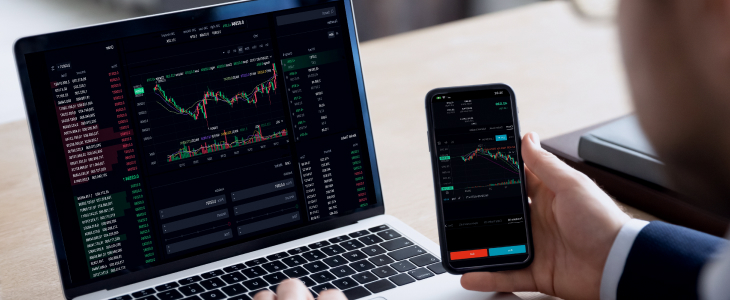
In the ever-evolving world of financial markets, forex trading systems play a pivotal role in how traders navigate the complexities of currency exchange. A robust understanding of these systems can bring significant advantages in decision-making and overall profitability. The foreign exchange market is the largest and most liquid market globally, with a daily trading volume exceeding $6 trillion. With this vast potential comes equally significant risks, which necessitate a structured approach to trading. This article will delve into the essential components of forex trading systems, exploring various strategies and practical tips to enhance your trading prowess. For further insights and resources, visit forex trading systems fxtrading-broker.com.
What is a Forex Trading System?
A forex trading system is essentially a set of rules and criteria that traders use to make informed decisions about when to enter or exit a trade. These systems are designed to minimize risks and optimize the chances of making profitable trades. Each system may vary in complexity, from straightforward strategies based on simple moving averages to advanced methods that incorporate technical indicators, price action analysis, and fundamental analysis.
Types of Forex Trading Systems
Forex trading systems can generally be categorized into a few types:
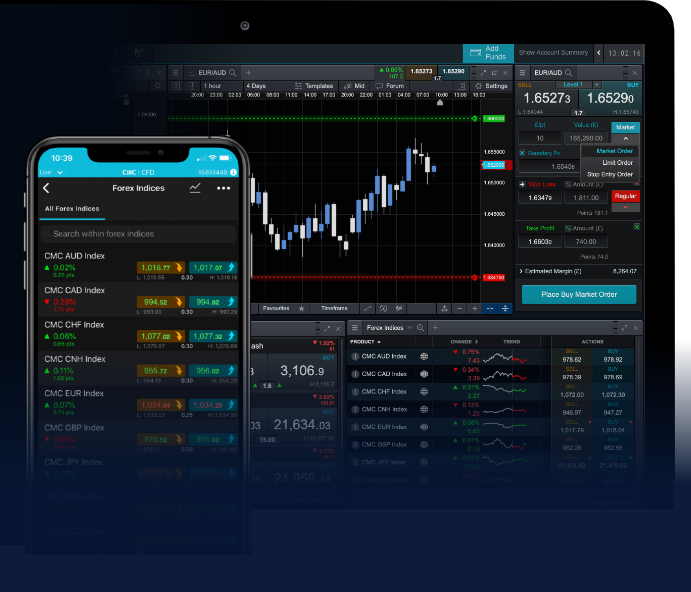
- Mechanical Systems: These systems operate on predefined rules without the involvement of the trader’s emotions. Traders can automate these systems using trading algorithms and bots.
- Discretionary Systems: Discretionary traders rely on intuition, experience, and market analysis, enabling flexibility in decision-making. These systems benefit from the trader’s ability to interpret complex market signals.
- Trend Following Systems: As the name suggests, these systems focus on identifying and trading in the direction of prevailing market trends. Traders use tools like moving averages and trend lines to spot potential trends.
- Range Trading Systems: In contrast to trend-following systems, range trading seeks to capitalize on market movements within a defined range. These systems thrive in sideways markets where currency pairs fluctuate instead of showing a clear trend.
- News-Based Systems: These systems are predicated on macroeconomic news releases and events that can create volatility in the forex market. Traders who employ news-based strategies closely track economic indicators and geopolitical events.
Building an Effective Forex Trading System
Creating a forex trading system that works involves several steps:
- Define Your Goals: Clearly articulate what you aim to achieve with your trading. Is your goal about making consistent profits, hedging risk, or simply gaining experience?
- Choose a Trading Style: Consider whether you prefer day trading, swing trading, position trading, or scalping. Your chosen trading style will significantly impact the design of your trading system.
- Identify Your Risk Tolerance: Understand how much capital you can afford to risk on individual trades and the maximum loss you are willing to accept before adjusting your approach.
- Select Trading Tools and Indicators: Choose the technical indicators and tools that resonate with your trading style. Commonly used tools include MACD, RSI, Bollinger Bands, and Fibonacci retracement levels.
- Backtest and Optimize: Once you have a preliminary trading system in place, backtest it against historical data to gauge its effectiveness. Utilize optimization techniques to refine your strategy for better performance.
- Implement and Monitor: After successful testing, implement your system in live trading. Continually monitor and adjust your system as necessary to adapt to changing market conditions.
The Importance of Risk Management
One of the cornerstones of any successful forex trading system is effective risk management. No matter how reliable a trading system may seem, every trader will inevitably face losses. To protect your capital and ensure long-term success, consider the following risk management strategies:

- Position Sizing: Determine the appropriate position size for each trade based on your risk tolerance and account size. A common rule is to risk no more than 1-2% of your trading capital on a single trade.
- Stop-Loss Orders: Implement stop-loss orders to limit potential losses. This order automatically closes your position at a predefined loss level, helping to preserve your capital.
- Take-Profit Targets: Just as it’s important to limit losses, setting take-profit targets ensures that you secure profits when your trades go in your favor.
- Diversification: Avoid putting all your capital into one trade or currency pair. Diversifying your trades across different currency pairs helps spread risk and may lead to more consistent returns.
Common Mistakes to Avoid in Forex Trading
Even the most robust trading systems can falter if traders make critical mistakes. Here are some common pitfalls to watch out for:
- Overtrading: Trading too frequently or with excessive volume can lead to large losses and emotional fatigue. Stick to your trading plan.
- Ignoring Market Conditions: Every market has unique conditions, and failing to adapt your strategy accordingly can diminish its effectiveness.
- Emotional Trading: Allowing emotions to dictate trading decisions can lead to impulsive actions. It’s vital to remain disciplined and adhere to your trading rules.
- Neglecting Education: The forex market is dynamic, and continuous learning is essential. Stay informed about market trends, economic news, and trading strategies.
Conclusion
In conclusion, understanding forex trading systems is a fundamental aspect of becoming a successful trader. By defining your goals, choosing the right strategies, implementing risk management techniques, and avoiding common pitfalls, you can enhance your chances of success in the forex market. Remember that the journey to becoming a proficient trader is ongoing, requiring patience, dedication, and a commitment to continual learning. With the right forex trading system in place, you can navigate the complexities of currency trading and work toward your financial goals.